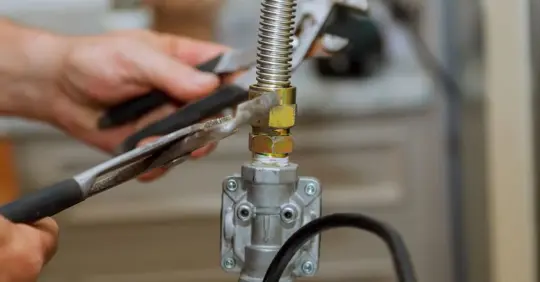
Gas lines are one of the most critical components of your home, delivering the energy needed for heating, cooking, and other essential appliances. Despite their importance, gas lines often go unnoticed until a problem arises, and by that point, safety can be at risk. A compromised gas line isn’t just a minor inconvenience—it can lead to hazardous leaks, fires, or even explosions. Regular inspections and timely maintenance are essential to keep your system running efficiently and safely. But how do you know when it’s time to consider repiping your gas line? Understanding the signs of damage, common causes, and available repiping options can help you make informed decisions for your home in Covina, CA.
Understanding Gas Line Integrity and Functionality
Signs of a Compromised Gas Line:
Gas leaks can be subtle at first, but recognizing the warning signs early can prevent costly and dangerous outcomes. Common indicators include:
- Persistent odor of rotten eggs or sulfur, signaling a natural gas leak
- Hissing or whistling sounds near appliances or piping
- Visible damage to pipes, such as corrosion, cracks, or kinks
- Unexplained increases in your gas bill
Even small leaks or minor pipe damage can lead to inefficiency and escalating safety risks over time. Ignoring these warning signs could result in expensive repairs and potential hazards, making timely intervention critical.
Common Causes of Gas Line Damage:
Gas line damage can result from several factors, often interacting to create hidden vulnerabilities. Corrosion is one of the most common culprits, particularly in older pipes or those exposed to moisture. Environmental changes, including soil shifts, heavy rainfall, or even minor earthquakes, can stress or fracture underground lines. Human activity also plays a role—yard work, renovations, or accidental strikes during digging can compromise pipe integrity. Understanding these risks highlights the importance of professional inspections and maintenance, which can detect early issues before they evolve into serious problems. Regular monitoring and timely repairs can protect both your property and your family.
When to Consider Gas Line Repiping
Age and Condition of Existing Pipes:
Knowing the age and material of your gas line is essential when evaluating the need for repiping. Most gas lines have a lifespan of 20 to 50 years depending on the material. Older homes often have galvanized steel lines, which are prone to rust, brittleness, and leaks over time. Even high-quality materials degrade gradually, and signs of wear or deterioration can appear before a major failure occurs. Proactively replacing aging pipes can prevent emergencies, improve energy efficiency, and provide peace of mind knowing your home’s gas system is safe and reliable.
Frequent Repairs and Persistent Leaks:
Repeated repairs or chronic leaks are a clear signal that your gas line may require a complete repipe. While patching leaks can offer short-term relief, it often masks deeper issues that could worsen over time. Multiple small repairs can quickly become more expensive than a full repiping project. Investing in a complete replacement addresses the root causes, ensuring long-term safety, efficiency, and reliability. A well-executed repiping project eliminates recurring problems, reducing both maintenance costs and potential hazards for homeowners in Covina, CA.
Professional Assessment and Diagnostic Processes
Hiring a Licensed Gas Line Inspector:
Gas lines are complex, and assessing their condition accurately requires professional expertise. A licensed inspector evaluates your system using specialized tools to identify leaks, weak points, and areas of corrosion that are invisible to the untrained eye. Their inspections include precise measurements, pressure tests, and a careful review of the overall system’s integrity. Hiring a professional ensures that you receive a thorough diagnosis and reliable recommendations for repair or repiping, giving you confidence in your home’s safety.
Advanced Diagnostic Techniques:
Modern technology allows gas line professionals to detect problems with remarkable accuracy. Pressure testing can identify even the smallest leaks, while leak detection devices use highly sensitive sensors to pinpoint issues that may otherwise go unnoticed. Video inspections provide a clear view of the interior of pipes, revealing corrosion, blockages, or structural weaknesses. These advanced diagnostic techniques allow specialists in Covina, CA, to offer comprehensive assessments that prevent future failures and ensure the highest safety standards for your home.
Repiping Options and Materials
Material Choices for Gas Line Repiping:
Choosing the right material for repiping affects both safety and longevity. Copper is a durable option resistant to corrosion but comes at a higher cost. Polyethylene offers flexibility and affordability, especially for underground lines, while Corrugated Stainless Steel Tubing (CSST) is flexible, easier to install, and ideal for modern configurations. Each material has distinct advantages and considerations, and understanding them helps homeowners make an informed choice for their specific needs.
Cost Considerations and Planning:
Repiping a gas line is an investment that requires careful planning. Costs include materials, labor, and permit fees, and it’s important to obtain detailed estimates before proceeding. While repiping can seem expensive upfront, it offers long-term savings through reduced maintenance, improved safety, and enhanced energy efficiency. Working with local professionals in Covina, CA, ensures the project is handled efficiently, safely, and in compliance with all regulations.
Ensuring Safety and Compliance
Following Building Codes and Regulations:
Gas line work must meet strict building codes to ensure safety. Codes dictate the proper materials, installation methods, and professional qualifications needed for a compliant system. Adhering to these standards protects your property, prevents legal issues, and ensures the longevity of your gas line system. Homeowners in Covina, CA, should always confirm that any work follows local and national guidelines.
Maintaining Safe Gas Line Operations Post-Repiping:
Even after repiping, ongoing maintenance is critical. Regular inspections, prompt attention to unusual smells or sounds, and preventive care keep your system safe and reliable. Homeowners play a key role in monitoring their gas lines, and proactive maintenance helps prevent costly or dangerous problems from developing. A well-maintained gas line ensures your home remains safe, efficient, and compliant for years to come.
Make Sure Your Gas Line Is Efficient and Safe with Flash Plumbing Inc.
Are you concerned about the condition of your gas line? At Flash Plumbing Inc., our experienced professionals provide thorough gas line repair and repiping services. Prioritizing your home’s safety and efficiency is our top priority. Contact us today to schedule an inspection and ensure your gas line system operates safely and reliably.
Call Flash Plumbing Inc. now at (626) 869-2284 or send us a message online.